




Appl. Deadline 21st Mar 2026 | Apply now
PGPM PGPM-HR PGDM
X
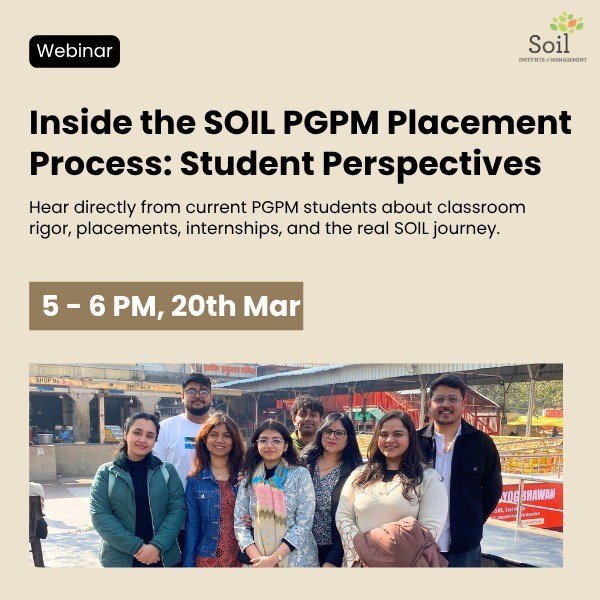
Inside the SOIL PGPM Placement Process: Student Perspectives

PGDM Admissions ProcessAdmissions Open for Batch 2026–28

SOIL’s PGDM admissions process is designed to identify students who are curious, original, and ready to reimagine management education. We look for individuals who combine analytical and creative skills with business acumen, and who see education as a way to create impact beyond themselves.

An ideal student for the program

  • Has a genuine desire to learn and grow holistically.
  • Shows independent thinking beyond conventional perceptions.
  • Blends analytical ability with creativity and problem-solving.
  • Understands the need to go beyond traditional management approaches.
  • Is committed to building future-ready leadership, not just securing the next job.
application process application process application process application process

Admission Selection Process

Admission to the SOIL PGDM program is determined through a holistic selection process based on the following criteria.

  • 35%

    Exam Scores (Mandatory)

    Any AICTE-approved aptitude test score (CAT, XAT, MAT, CMAT, GMAT, NMAT, ATMA) is accepted. Multiple scores may be submitted; the best valid score will be considered.

  • 15%

    Academics

    Undergraduate performance, including GPA, marks, honors, or distinctions, demonstrating academic rigor aligned with program goals.

  • 5%

    Extra-Curriculars

    Active roles and achievements in cultural, sports, or social initiatives, highlighting teamwork and leadership beyond academics.

  • 5%

    Work Experience

    Relevant professional exposure (if any), showcasing responsibilities, learning, and contributions. Freshers are equally encouraged to apply.

  • 40%

    GE/PI Performance

    Group exercises and personal interviews assess teamwork, leadership, communication, motivation, and career clarity.

Eligibility — 2-Year PGDM

To apply for the 2-Year PGDM program, candidates must meet the following:

  • Bachelor’s degree (≥50% aggregate) in any discipline from a UGC/AIU-recognized university, comprising a minimum of 3 years of study after 10+2.
  • Final-year students (appearing in 2026) may apply with a certificate confirming 50% marks. The final marksheet and degree certificate must be submitted by 1st October 2026.
  • Valid score in at least one of the following aptitude tests: CAT, XAT, GMAT, CMAT, MAT, NMAT, SNAP, ATMA**. The best valid score among those submitted will be considered.
  • Freshers and applicants with less than 3 years of work experience are eligible.

Note: Non-fulfilment of the above conditions will lead to automatic cancellation of admission. Fees are non-refundable.

The following exam scores are acceptable for admissions to the 2 Year PGDM Program.
  • CAT
  • XAT
  • MAP
  • CMAT
  • GMAT
  • NMAT
  • SNAP

*NMAT and SNAP scores are considered only when accompanied by another AICTE-approved test score.

Complete Your Application Form

Submit your application online by the chosen deadline. You will be required to provide:

  • Details of academic background
  • Extra-curricular activities and achievements (if any)
  • Valid aptitude exam scores (Mandatory): CAT/ XAT / GMAT / MAT / CMAT / NMAT / SNAP / ATMA
  • Upload supporting documents
  • Pay Application Fee INR 2000

Please note: SOIL does not endorse or participate in any coupon/discount scheme. The application fee is to be paid in fullShape .
Application Form

Profile Shortlisting

SOIL shortlists applicants based on a holistic profile review, not just academic scores. The following aspects are considered during shortlisting:

  • Leadership potential
  • Academic excellence
  • Extra-curricular involvement
  • Intellectual capacity
  • Work experience (if any)
GEPI Process

Appear for GEPI Process

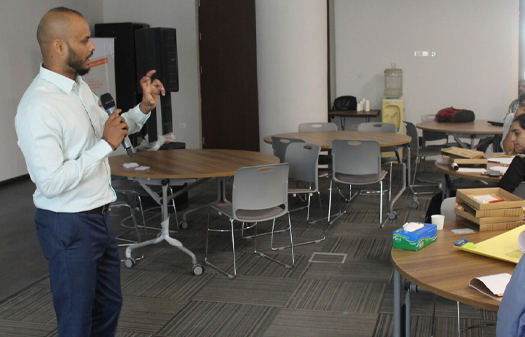
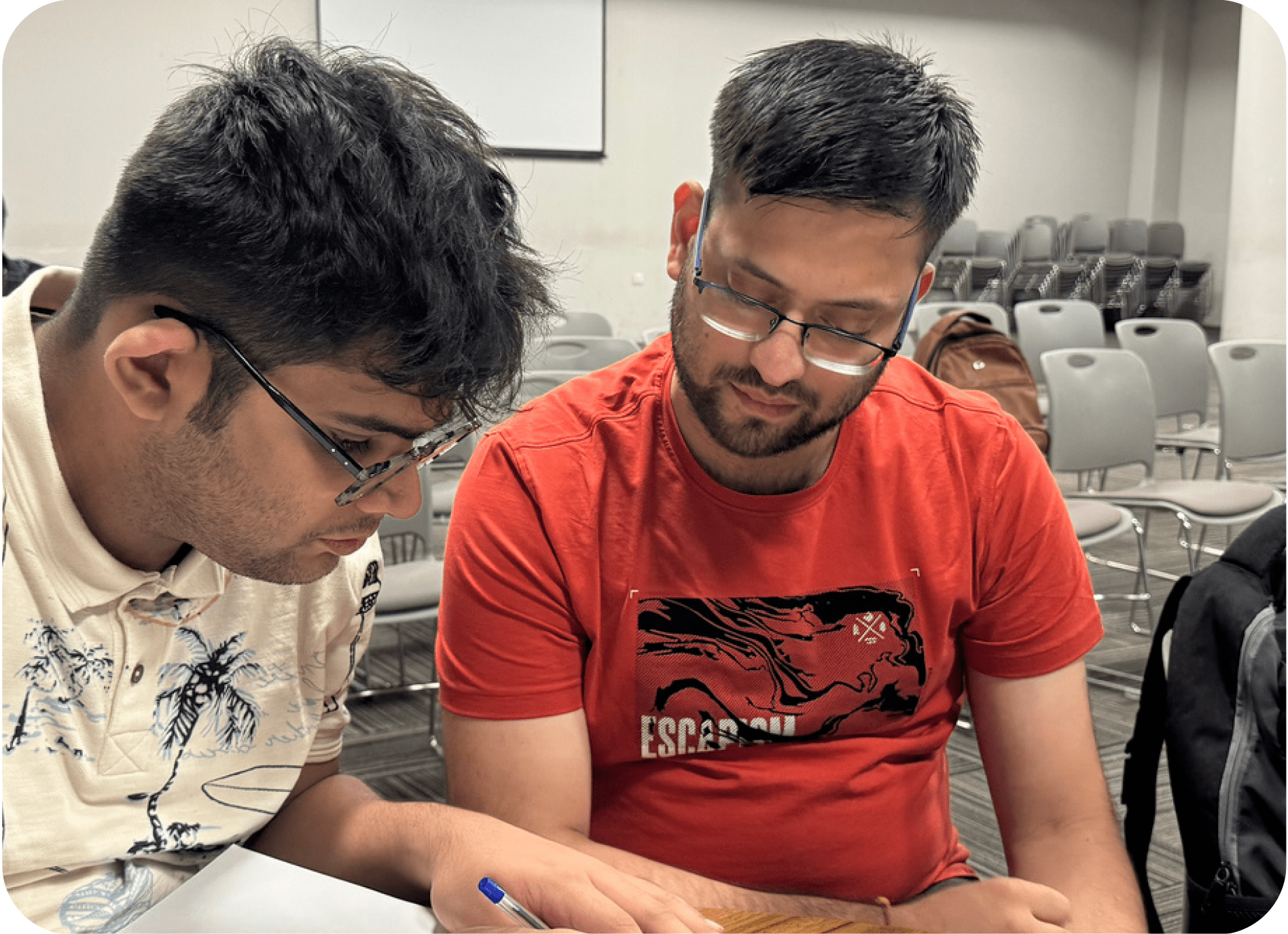
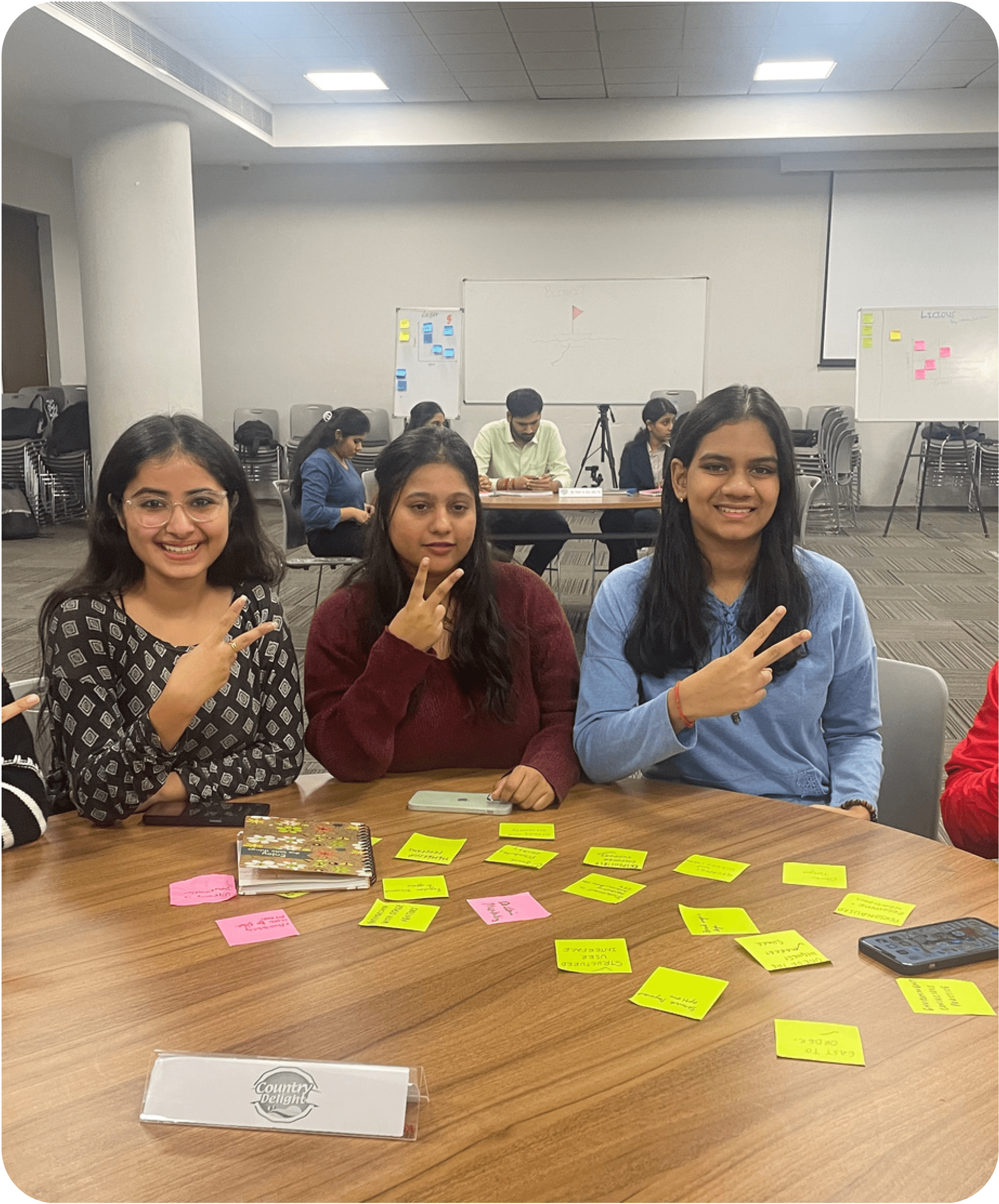
The GEPI process evaluates candidates’ leadership, teamwork, communication, and problem-solving skills through a Group Exercise (GE) and a Personal Interview (PI). This half-day experience also gives applicants the chance to interact with SOIL faculty, alumni, and current students.

Group Exercise (Design Thinking Workshop):

A 60–75 minute activity where candidates work in teams to solve real-world problems using design thinking principles. It assesses the ability to:

  • Apply user-centric approaches to complex issues
  • Demonstrate empathy, ideation, and collaboration
  • Iterate and refine solutions under time pressure
Take SET Test

Personal Interview:

A 30–45 minute interview with a panel of faculty and industry experts to review your academics and work experience, discuss career aspirations and motivation, and assess your capacity to Learn, Think, Relate, and Motivate.

Final Decision & Registration

Admission results are shared within four weeks of the GEPI process. Possible outcomes include:

  • An offer of admission to the PGDM program
  • Re-invitation for a second interview
  • A regret communication if not selected

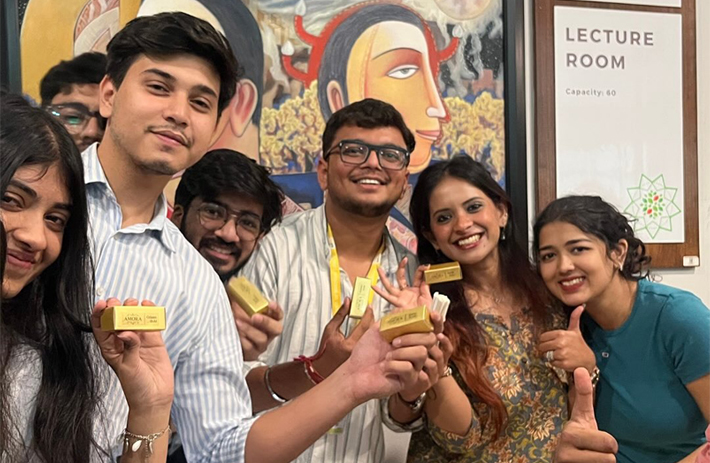
Selected candidates confirm their admission by paying the registration fee within the stipulated deadline.
Final Decision

Design Thinking Workshop

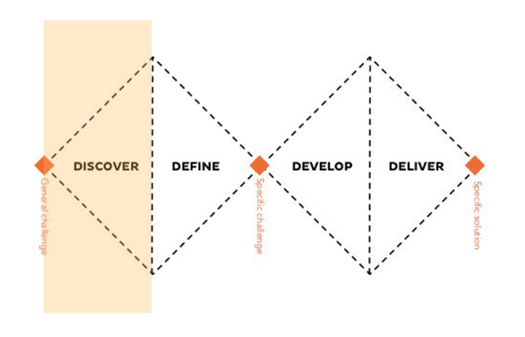
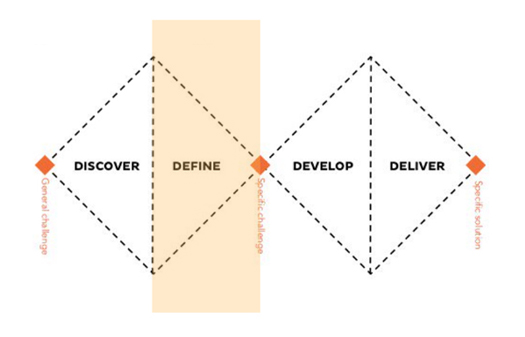
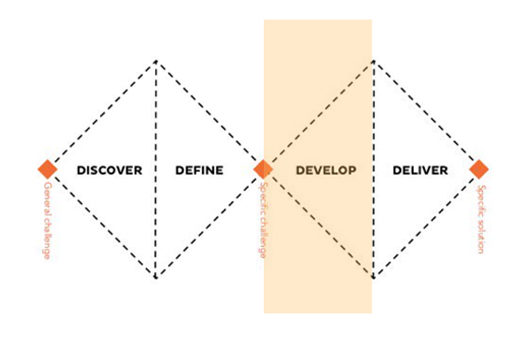
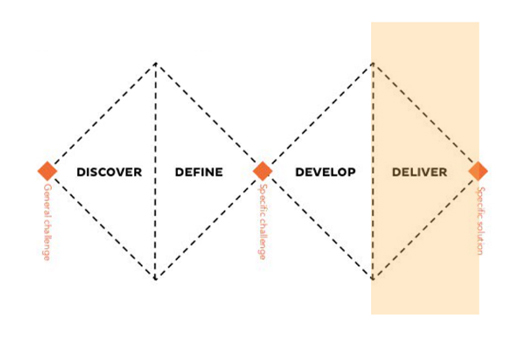
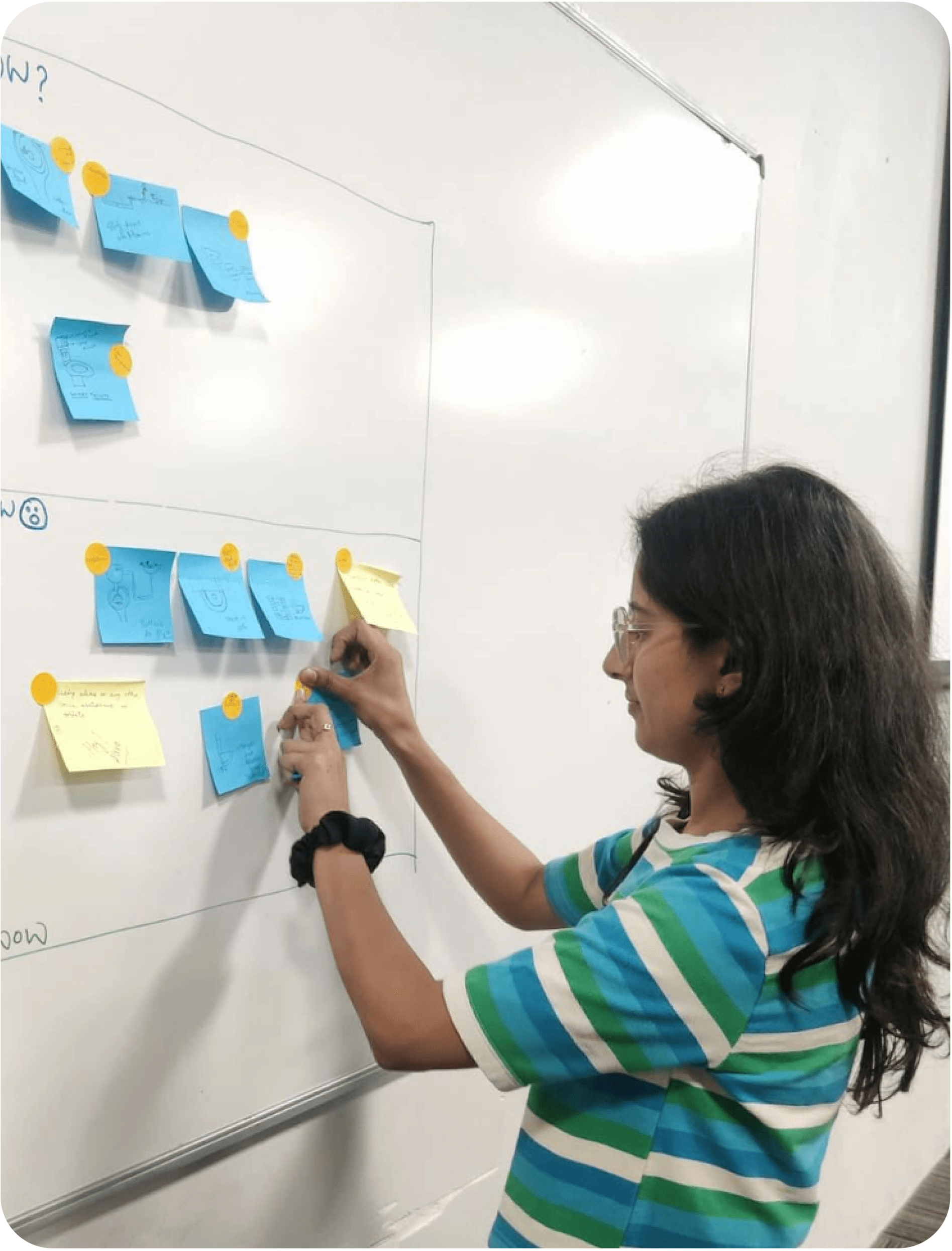
The Design Thinking (DT) Workshop is an integral part of the PGDM admissions process at SOIL. It is a hands-on, activity-driven session where applicants work in teams to solve real-world challenges using the Stanford d.school 5-step frameworkEmpathize, Define, Ideate, Prototype, and Test.

Unlike traditional assessments focused on academic scores, the workshop is designed to uncover creativity, empathy, collaboration, and leadership in action. Candidates work in groups of 8–10, tackling problem statements under time pressure—simulating the dynamic business environment leaders face today.

Design Thinking Workshop
Workshop Flow
10:00 – 10:20 AM

Design Thinking Masterclass

A SOIL facilitator introduces participants to the five stages of design thinking through interactive illustrations and exercises, setting the foundation for innovation.

10:20 – 10:30 AM

Team Formation & Problem Brief

Applicants form teams of 8–10 and receive a real-world challenge, with background context provided.

Examples: “How can Delhi’s water crisis be addressed?” or “How might an airline redesign seating to improve profitability?”

10:30 – 11:15 AM

Empathize & Ideate

Teams brainstorm from the user’s perspective, uncovering root problems and generating a wide range of ideas. Creativity and bold thinking are encouraged at this stage.

11:15 – 11:30 AM

Converge & Define

Ideas are clustered into feasible and non-feasible categories. Teams select one concept to advance, showcasing negotiation and decision-making skills.

11:30 – 11:50 AM

Prototype & Test

Participants build quick, tangible prototypes using simple props. These models allow testing assumptions, spotting flaws, and refining solutions.

11:50 AM – 12:00 PM

Presentations & Reflection

Each team presents its prototype and solution. Peer and facilitator feedback fosters cross-learning, followed by participant reflections on key insights.

Design Thinking Masterclass
Team Formation & Problem Brief
Empathize & Ideate
Converge & Define
Prototype & Test
Presentations & Reflection

Workshop Flow

10:00 – 10:20 AM

Design Thinking Masterclass

A SOIL facilitator introduces participants to the five stages of design thinking through interactive illustrations and exercises, setting the foundation for innovation.

10:20 – 10:30 AM

Team Formation & Problem Brief

Applicants form teams of 8–10 and receive a real-world challenge, with background context provided.

Examples: “How can Delhi’s water crisis be addressed?” or “How might an airline redesign seating to improve profitability?”

10:30 – 11:15 AM

Empathize & Ideate

Teams brainstorm from the user’s perspective, uncovering root problems and generating a wide range of ideas. Creativity and bold thinking are encouraged at this stage.

11:15 – 11:30 AM

Converge & Define

Ideas are clustered into feasible and non-feasible categories. Teams select one concept to advance, showcasing negotiation and decision-making skills.

11:30 – 11:50 AM

Prototype & Test

Participants build quick, tangible prototypes using simple props. These models allow testing assumptions, spotting flaws, and refining solutions.

11:50 AM – 12:00 PM

Presentations & Reflection

Each team presents its prototype and solution. Peer and facilitator feedback fosters cross-learning, followed by participant reflections on key insights.

Application Cycles

SOIL follows a multiple-cycle admission process to maximize opportunities for applicants and ensure a high-quality PGDM cohort. Each cycle allows candidates to apply within specific timelines. The cycle dates are subject to change as per the Admissions Committee’s decision.

Cycle 1
Round 1

Profile-based shortlisting process that evaluates candidates on their academic, professional, and co-curricular achievements.

Date:
Appl. Deadline: 13th Dec 2025 (closed)

Cycle 2
Round 2

Profile-based shortlisting process that evaluates candidates on their academic, professional, and co-curricular achievements.

Date:
Round 2 extended deadline: 19th Jan 2026 11:59 PM

Cycle 3
Round 3

Profile-based shortlisting process that evaluates candidates on their academic, professional, and co-curricular achievements.

Date:
Appl. Deadline 21st Mar 2026

whatsapp